


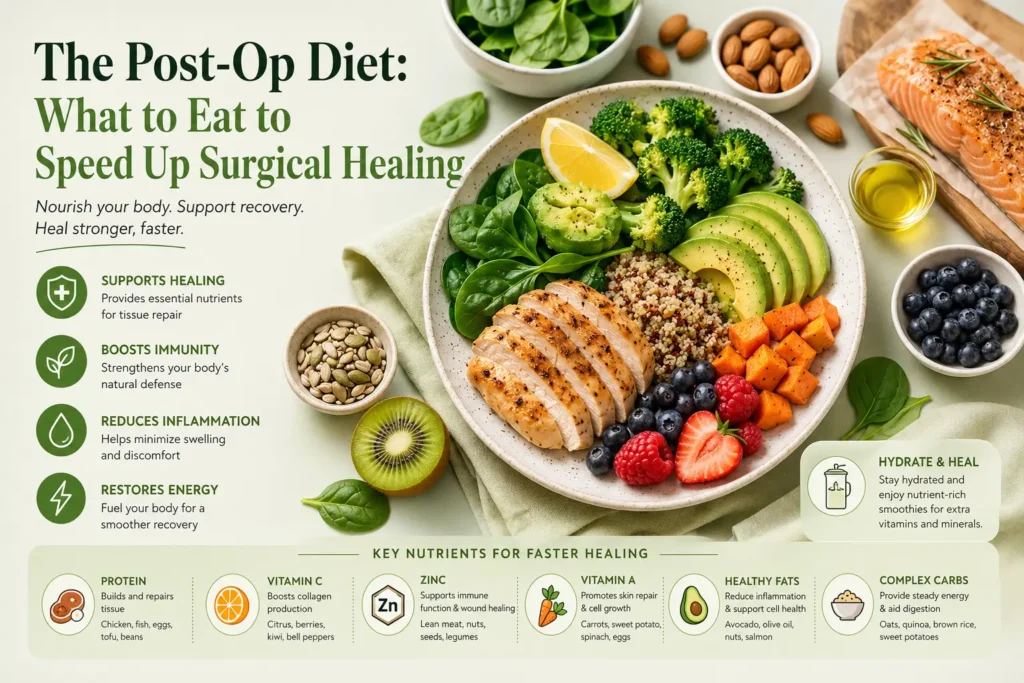
Surgery puts your body through significant physiological stress — and what you eat in the days and weeks that follow matters more than most patients realize. I’ve seen recoveries that surprised everyone in the room, and I’ve seen straightforward procedures drag on longer than expected. One of the clearest differences between these two groups, beyond surgical complexity and individual health, is nutrition.
Your body doesn’t just passively heal after an operation. It actively rebuilds — generating new collagen, fighting off infection, restoring lost blood volume, and remodeling damaged tissue. All of that work requires the right raw materials. What you put on your plate is, in a very real sense, what your body gets to work with.
Why Nutrition Matters More After Surgery
After any surgical procedure, your metabolic rate increases. Your body is essentially running a repair operation around the clock, and that demands more energy and more specific nutrients than your usual baseline. Studies show that post-surgical patients can need up to 20% more calories and significantly higher amounts of protein, vitamins, and minerals than they normally would.
At the same time, appetite typically drops — a combination of anesthesia effects, pain medication, reduced activity, and general fatigue. This mismatch between what the body needs and what you feel like eating is exactly why having a deliberate nutrition strategy matters so much in the post-op period.
The right diet after surgery can help you in several concrete ways: faster wound closure, reduced risk of infection, less post-operative swelling, better energy levels during recovery, and a lower likelihood of complications like constipation, which affects a significant number of surgical patients due to anesthesia and opioid pain medications.
What to Eat: The Core Building Blocks
Protein — The Foundation of Tissue Repair
If I had to name one non-negotiable nutrient after surgery, it would be protein. The amino acids in protein are the literal building blocks of new tissue. Without adequate protein, wound healing slows, muscle mass decreases (which is already at risk from reduced activity), and immune function weakens.
Aim for around 1.2–1.5 grams of protein per kilogram of body weight daily during recovery. For most adults, that translates to roughly 80–120 grams per day — more than the typical dietary intake. Good sources include lean meats (chicken breast, turkey, white fish), eggs, tofu, legumes, Greek yogurt, cottage cheese, and nuts. If your appetite is suppressed, adding a protein powder to a smoothie is a practical workaround — just check the ingredient list and avoid versions loaded with added sugar.
Vitamin C — Your Body’s Collagen Architect
Vitamin C plays a central role in collagen synthesis — the protein that holds new tissue together, closes incisions, and gives healing skin its strength. Without sufficient vitamin C, the collagen-building process literally stalls. It also acts as an antioxidant, protecting cells from the oxidative stress that surgery creates, and supports white blood cell function to fight potential infection.
The best food sources are citrus fruits, strawberries, kiwi, bell peppers (especially red and yellow), broccoli, and papaya. Including at least one or two of these daily is straightforward and highly effective. Some surgeons recommend supplementing with 500–1,000mg of vitamin C during the healing period — always check with your surgical team first.
Zinc — The Immune and Wound Repair Mineral
Zinc is involved in nearly every stage of wound healing: managing inflammation, supporting immune cell activity, stimulating collagen production, and helping new skin form over the wound. Even a mild zinc deficiency can meaningfully slow recovery. Food sources include oysters, lean beef, pumpkin seeds, legumes, eggs, nuts, and dairy products. For most people eating a varied diet, supplementation isn’t necessary — but if your diet is restricted, discuss it with your doctor.
Vitamin A — The Skin and Immunity Supporter
Vitamin A supports skin cell regeneration, boosts immune function, and helps stimulate the inflammatory response that initiates early wound healing — something that’s actually needed in controlled amounts for proper tissue repair. Rich sources include sweet potatoes, carrots, spinach, kale, eggs, and liver. Note: if you’re taking corticosteroid medications post-surgery, your surgeon may specifically recommend increased vitamin A intake to compensate for the anti-inflammatory suppression.
Healthy Fats — More Than Just Calories
Healthy fats from olive oil, avocados, fatty fish (salmon, mackerel, sardines), nuts, and seeds serve two important purposes after surgery. First, they’re calorie-dense, which helps meet elevated energy demands without requiring large meal volumes. Second, and more importantly, omega-3 fatty acids in fish and flaxseed have well-documented anti-inflammatory effects — they can meaningfully reduce post-operative swelling and pain as the body moves through the inflammatory phase of healing.
Complex Carbohydrates — Energy Without the Setbacks
Fatigue is one of the most consistent complaints after surgery. The brain and muscles rely on carbohydrates for fuel, and without enough of them, the body starts breaking down protein for energy — which is the last thing you want when that protein is needed for tissue repair. Choose complex, fiber-rich carbohydrates: oats, brown rice, whole grain bread, quinoa, sweet potatoes, and legumes. These provide steady energy, avoid blood sugar spikes, and help with the constipation that commonly follows surgery.
The Micronutrient Spotlight: A Quick Reference

| Nutrient | Role in Healing | Best Food Sources |
| Vitamin C | Collagen production, immune support | Citrus, berries, bell peppers, broccoli |
| Zinc | Wound repair, immune function | Oysters, pumpkin seeds, legumes, eggs |
| Vitamin A | Skin regeneration, immunity | Sweet potato, carrots, spinach, eggs |
| Vitamin K | Blood clotting, incision closure | Broccoli, Brussels sprouts, leafy greens |
| Protein | Tissue rebuilding, muscle retention | Chicken, fish, eggs, tofu, legumes |
| Omega-3s | Reduce inflammation and swelling | Salmon, sardines, walnuts, flaxseed |
| B Vitamins | Energy production for immune cells | Whole grains, eggs, leafy greens |
| Iron | Oxygen delivery to healing tissue | Lean red meat, lentils, spinach |
Hydration: The Most Overlooked Recovery Factor
Anesthesia, blood loss, reduced fluid intake before surgery, and the physical stress of the procedure itself all create a significant hydration deficit. Dehydration slows everything — nutrient transport to the wound site, kidney function, energy levels, and even bowel regularity.
After surgery, aim for 8–10 glasses of water daily, more if you’re experiencing vomiting or fever. Water, herbal teas, clear broths, and diluted fruit juices all count. Coconut water is a useful option if you need to replace electrolytes. Hydrating foods — cucumber, watermelon, soups — also contribute. One simple rule: if your urine is pale yellow, you’re well hydrated. Darker urine is a sign you need to drink more.
Gut Health After Surgery and Antibiotics
This is something I discuss with almost every surgical patient: anesthesia, opioid pain medications, and especially antibiotics can significantly disrupt the gut microbiome — the community of beneficial bacteria that supports digestion, immune function, and even wound healing. The result is often constipation, bloating, nausea, or diarrhea in the days following surgery.
Yogurt and kefir are two of the most practical recovery foods precisely because they contain live probiotic cultures that help restore gut balance. They’re also gentle on a post-op stomach, easy to tolerate when appetite is low, and deliver protein and zinc at the same time. If your gut is particularly disrupted, ask your doctor about a dedicated probiotic supplement alongside dietary sources.
Pineapple deserves a special mention here: it contains bromelain, an enzyme with natural anti-inflammatory and anti-swelling properties. It won’t replace medical management of post-surgical swelling, but including pineapple in your recovery diet is a simple and evidence-supported addition.
What to Avoid After Surgery
Just as important as what you eat is what you don’t. Several common dietary choices actively work against recovery:
Processed and ultra-processed foods are low in the nutrients your body needs and often trigger inflammatory responses. Fast food, packaged snacks, frozen meals, and white bread should be minimized during recovery — they fill you up without giving your body anything useful to work with.
Added sugar feeds bacteria and viruses, suppresses immune function, and causes blood sugar spikes that interfere with wound healing. Sugary drinks, desserts, cereals, and pastries are best kept off the post-op plate. Beyond the direct effects, the energy crash that follows a sugar spike is particularly unwelcome when you’re already fatigued.
Excess sodium promotes fluid retention and can worsen post-surgical swelling, prolonging the inflammatory phase and increasing discomfort. Watch for hidden sodium in processed meats, canned soups, condiments, and convenience foods.
Alcohol is dehydrating, interferes with medications (particularly pain management and antibiotics), impairs immune function, and delays wound healing. It should be completely avoided during the active recovery period — your surgical team will let you know when it’s safe to reintroduce.
Caffeine in excess can contribute to dehydration and disrupt sleep, which is when the majority of tissue repair actually occurs. One moderate cup of coffee is generally fine for most patients, but energy drinks and high-caffeine beverages are worth avoiding entirely.
Practical Tips for Eating After Surgery
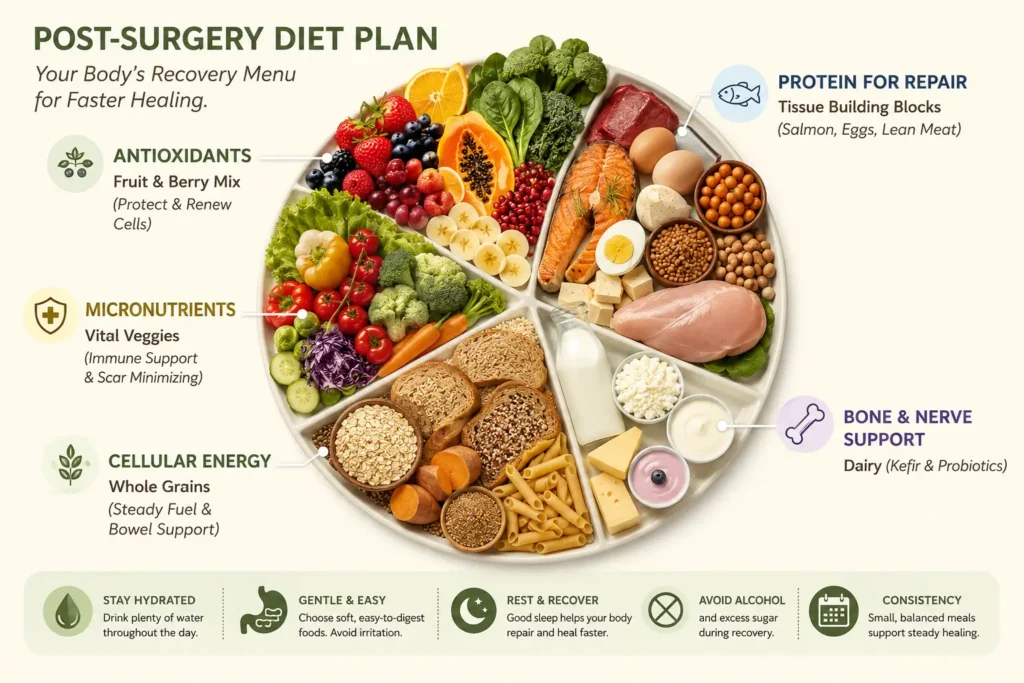
If appetite is low — which is common in the first few days — don’t try to force large meals. Smaller, more frequent portions every 2–3 hours are easier to manage, less likely to cause nausea, and maintain a steady supply of nutrients to the healing body. A bowl of Greek yogurt with berries, a small piece of salmon with sweet potato, or a smoothie with banana, kefir, and a scoop of protein powder can all deliver significant nutritional value in a format that doesn’t feel overwhelming.
The general frame I give patients at ABmedi Team Clinic is straightforward: build each meal around a protein source, add color from fruits or vegetables (which delivers vitamins and antioxidants), and include a small serving of whole grain carbohydrate for energy. That simple structure — without overthinking the details — covers the majority of what the healing body needs.
When to Talk to a Dietitian
Post-surgical nutritional needs vary depending on the type of surgery, your baseline health, any pre-existing conditions like diabetes or kidney disease, and what medications you’re taking. Some patients — particularly those who have undergone gastrointestinal, bariatric, or major reconstructive surgery — will need a more tailored plan than general guidance can provide.
At ABmedi Team Clinic, we routinely involve clinical nutrition as part of post-operative care for patients whose recovery would benefit from individualized dietary planning. If you’re unsure whether your current diet is supporting your healing, or if you’re struggling to eat adequately in the first week after surgery, please ask your care team — it’s one of the most impactful adjustments you can make.
Final Thought
Surgery is a single event. Recovery is a process — and nutrition is one of the few variables in that process that you have direct control over every single day. The patients who approach their post-op diet with the same seriousness as their wound care instructions and follow-up appointments tend to heal faster, feel stronger sooner, and experience fewer setbacks.
Give your body what it needs to do the work. It knows what to do with the right materials.
Frequently Asked Questions (FAQs)
Q1: What foods make surgery wounds heal faster?
A: To accelerate wound healing, your post-op diet should place a heavy emphasis on macro and micronutrients that support cellular repair. Incorporate these key food groups daily:
- Lean Proteins: Chicken, fish, eggs, and tofu provide the essential amino acids required to rebuild collagen and repair damaged tissues.
- Vitamin C-Rich Fruits: Citrus fruits, berries, and kiwi boost collagen synthesis and support immune function to prevent infection.
- Zinc-Abundant Foods: Nuts, seeds, and whole grains play a vital role in cellular metabolism and structural skin defense.
- Healthy Fats: Avocados, olive oil, and salmon supply clean calories and anti-inflammatory benefits to soothe post-surgical swelling.
Q2: What is the “30/30/3 rule” for post-op eating and recovery?
A: While the “30/30/3 rule” can vary slightly across different medical contexts, in post-surgical recovery, it typically translates to a strategic guideline designed to ensure adequate baseline nutrition and soft-tissue rehabilitation:
- 30 Grams of Protein per Meal: Ensuring a steady intake of protein throughout the day to maximize muscle retention and tissue repair.
- 30 Milliliters of Water per Kilogram of Body Weight: Maintaining optimal cellular hydration to safely flush out anesthesia and metabolic waste.
- 3 Balanced Meals (or Small Frequent Snacks) Daily: Preventing blood sugar crashes and ensuring a continuous supply of vital healing energy to the body.
Q3: What should you eat before surgery to help you heal faster afterward?
A: Pre-operative nutrition is just as critical as your post-op diet. In the 1 to 2 weeks leading up to your surgery, focus on building up your body’s nutrient reserves:
- Load up on complex carbohydrates and clean proteins to optimize glycogen stores in your muscles and liver, providing your body with sustained energy during the fasting window and the surgical procedure itself.
- Increase intake of anti-inflammatory foods like leafy greens and berries.
- Crucial Note: Always stop taking high-dose fish oil, vitamin E, or herbal supplements 14 days before surgery, as they can thin the blood and increase bleeding risks.
Q4: What vitamin helps you heal faster after surgery?
A: Vitamin C and Vitamin A are the two powerhouses for surgical healing. Vitamin C is indispensable because your body cannot synthesize collagen—the primary protein needed to close incisions and minimize scarring—without it. Meanwhile, Vitamin A stimulates cellular turnover and epithelialization, helping the surface skin layer repair itself smoothly. Pairing these with Vitamin D ensures your structural bone and deep muscle integrity are well supported throughout your recovery timeline.
Q5: How do you promote faster healing after surgery beyond just your diet?
A: Diet lays the biochemical foundation, but total lifestyle coordination ensures peak healing efficiency. To speed up your recovery window, adhere to the following strict post-op protocols:
- Prioritize Deep Rest: Sleep triggers the biological release of growth hormones necessary for cellular tissue repair.
- Strict Fluid Consistency: Drink plenty of water and herbal teas to prevent dehydration, which can compromise circulation and delay cell renewal.
- Avoid Smoking and Alcohol: Nicotine severely constricts blood vessels, depriving your incision site of oxygen and essential nutrients, while alcohol induces inflammation and increases bruising risks.
- Gentle Movement: Follow your surgeon’s timeline for light walking to boost blood circulation and mitigate the risk of deep vein thrombosis (DVT) without stressing the incision areas.
📞 💬 WhatsApp / Chat: [http://wa.me/84975142666] 🌐 Book online: [+84-975-142-666]
Consultations are available in-clinic and online for international patients. Most patients leave their first appointment knowing exactly what they need — and feeling confident about the path ahead.
