


“Is it safe?” is the first question nearly every international patient asks, and it’s the right one. A facelift is a major operation wherever it’s performed. Traveling abroad for it adds a layer of logistics that you need to plan for carefully.
The good news: with a qualified surgeon, a properly licensed hospital, and realistic planning, a facelift in Vietnam can be as safe as one performed at home. This guide explains the real risks, how Vietnam regulates cosmetic surgery, and what happens if something doesn’t go as planned.
Safety Fact Sheet: What Medical Travelers Need to Know
| Safety Factor | What to Know |
|---|---|
| Regulator | Vietnam’s Ministry of Health (MoH) licenses doctors and surgical facilities |
| Gold-standard accreditation | Joint Commission International (JCI), held by select hospitals in HCMC and Hanoi |
| Most common complication | Hematoma (blood collection under the skin), usually within 24 – 48 hours |
| Biggest controllable risk factor | Smoking and nicotine use, which raise the risk of skin necrosis and poor healing |
| Anesthesia | Should be administered and monitored by a licensed anesthesiologist |
| Minimum stay before flying | 10 – 14 days, after suture removal and surgeon clearance |
| Revision rate | Small touch-ups are uncommon; ask for the clinic’s written revision policy |
| Key safety step | Verify the surgeon’s MoH license and the facility’s operating license before booking |
Safety Assessment: Is It Safe to Get a Facelift in Vietnam?
Yes, when you choose a licensed facial plastic surgeon and an accredited hospital. The risks of a facelift come mainly from the surgery itself, the patient’s health, and the quality of care, not from the country where it’s performed.
Where patients get into trouble is when they choose solely on price, skip proper vetting, or book with unlicensed operators. Avoiding those pitfalls is what this guide is about. Working with an experienced medical travel partner such as Abmedi can make these checks much easier.
National Healthcare Standards & Medical Regulation
Vietnam’s Ministry of Health (MoH) oversees the licensing of medical practitioners and healthcare facilities. Key safeguards include:
- Individual practicing licenses: Every doctor must hold an MoH license that specifies their permitted scope of practice. A facelift surgeon’s license should include plastic or aesthetic surgery.
- Facility operating licenses: Hospitals and clinics must be licensed for the specific services they provide. Surgery under general anesthesia requires an appropriately licensed hospital, not a spa or beauty salon.
- International accreditation: Several leading hospitals have earned JCI accreditation, the same standard used to assess top hospitals worldwide.
- Professional societies: Many reputable surgeons belong to VSAPS and ISAPS, which promote training and ethical practice.
Vietnamese authorities have also stepped up enforcement against unlicensed cosmetic facilities in recent years. Still, the responsibility to verify credentials rests with you. Our guide on how to choose the best facelift surgeons and hospitals in Vietnam walks through each check.
Common Risks of Overseas Cosmetic Surgery
Every facelift carries risks, whether it’s performed in Los Angeles, London, or Ho Chi Minh City. According to plastic surgery literature and patient information from organizations such as the ASPS, the main risks include:
- Hematoma: The most common complication, more frequent in men and patients with high blood pressure. It usually requires prompt drainage.
- Facial nerve injury: Temporary weakness or numbness can occur; permanent nerve damage is rare in experienced hands.
- Skin necrosis or delayed wound healing: Much more likely in smokers.
- Infection: Uncommon with proper sterile technique and antibiotics.
- Visible or widened scars, including hypertrophic scarring.
- Hair loss near the temple or behind-the-ear incisions.
- Asymmetry or contour irregularities.
- Anesthesia risks, including reactions and breathing complications.
- Deep vein thrombosis (DVT) and pulmonary embolism, a concern that increases with long-haul flights.
Risks specific to medical travel include flying too soon after surgery, language barriers during consultations, limited continuity of care once you return home, and pressure to rush decisions within a short trip. Each of these can be managed with good planning.
How to Avoid a Bad Facelift Result (“Windblown” Look or Infection)
Most poor outcomes are preventable. The “windblown” or overly tight look usually comes from pulling the skin rather than repositioning the deeper SMAS layer. Infections and wound-healing problems are often tied to poor sterile technique or not following aftercare instructions.
Communicating Aesthetic Goals Clearly
- Bring reference photos of yourself from 10 to 15 years ago. These help your surgeon understand your natural features.
- Be specific: Is your main concern the jowls, the neck, the midface, or the eyes?
- Use a medical interpreter if needed, so nuance isn’t lost in translation.
- Ask to see results on patients with a similar face shape and age.
- Discuss the technique: A surgeon who favors an SMAS or deep plane approach is less likely to produce an over-tightened look. Learn the differences in our mini vs. full facelift guide.
- Get it in writing: Confirm the agreed plan in your consent forms.
Following Strict Pre-Op & Post-Op Guidelines
Before surgery:
– Stop smoking and all nicotine products for at least 4 weeks before and after surgery.
– Avoid blood-thinning medications and supplements, such as aspirin, ibuprofen, fish oil, vitamin E, and ginkgo, as directed by your surgeon.
– Disclose your full medical history, including high blood pressure, diabetes, and bleeding disorders.
– Arrange medical clearance and lab tests well ahead of travel.
After surgery:
– Keep your head elevated and avoid bending or heavy lifting.
– Take antibiotics and medications exactly as prescribed.
– Keep incisions clean and attend every follow-up visit.
– Report warning signs right away: sudden one-sided swelling, increasing pain, fever, or wound discharge.
Our guides to preparing for your facelift in Vietnam and the facelift recovery timeline cover these steps in detail.
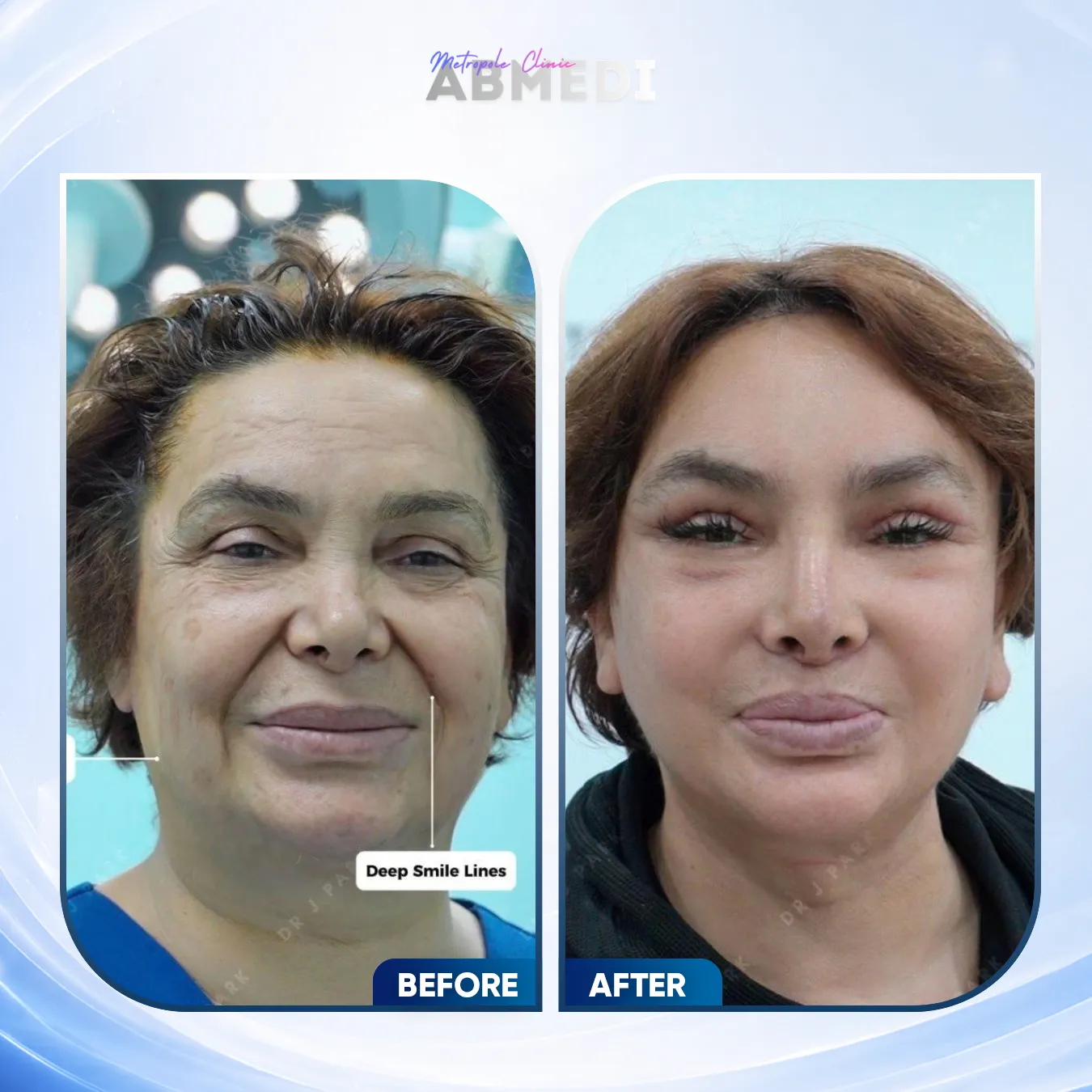
Emergency Protocols & Revision Surgery Considerations
Even with the best preparation, complications can happen. What matters is how quickly and competently they’re managed.
What Happens If Complications Occur During or After Surgery?
A well-run hospital will have clear protocols in place:
- During surgery: Continuous anesthesia monitoring of heart rate, blood pressure, and oxygen levels, with emergency equipment and medications in the operating room.
- In the first 24 – 48 hours: Most patients stay overnight so nurses can monitor for hematoma and manage pain. A hematoma is typically treated by returning to the OR for drainage.
- Hospital transfer: Facilities without an on-site ICU should have a formal transfer agreement with a major hospital nearby.
- After discharge: You should have a 24/7 contact number for your patient coordinator or nursing team while you’re in Vietnam.
- After you return home: Ask about remote follow-up consultations, and keep copies of your operative report and medication list for your local doctor.
Consider a medical travel complication insurance policy to cover unexpected treatment costs. Our Vietnam facelift cost guide explains how to budget for it.
How Vietnamese Clinics Handle Revision & Touch-up Surgeries
Minor revisions, such as scar refinement, earlobe adjustments, or a small skin tuck, are occasionally needed once swelling has fully settled, usually 6 to 12 months after surgery.
Before you book, ask:
- Is there a written revision policy? Many reputable clinics waive the surgeon’s fee for minor touch-ups within the first 12 months.
- What’s covered? Clarify whether anesthesia, facility fees, and travel costs are included.
- Who decides if a revision is needed? Revisions for medical reasons are different from aesthetic preferences.
- Can follow-up be done remotely first? Photo reviews can help decide whether a return trip is necessary.
It’s also worth understanding what changes are normal as you heal. Our guide to facelift results and longevity explains how results evolve over the first year. To discuss your individual risk profile, contact the Abmedi team about a safe facelift in Vietnam. And if you’re still comparing destinations, see how safety standards differ in our Vietnam vs. Thailand facelift guide.
Medical disclaimer: This article is for informational purposes only and does not replace a consultation with a qualified, licensed plastic surgeon. Discuss your individual risks with your surgeon before making any decision.
